An industry-institute partnership is the set of working links between an engineering college and companies: sponsored laboratories, internships, apprenticeships, consultancy, joint research and guest faculty. For students, these links often decide how employable they are at graduation. This guide explains how such partnerships work, what SJCE’s archived records show about them, what the current AICTE and apprenticeship rules require, and how to judge a college’s industry connections for yourself.
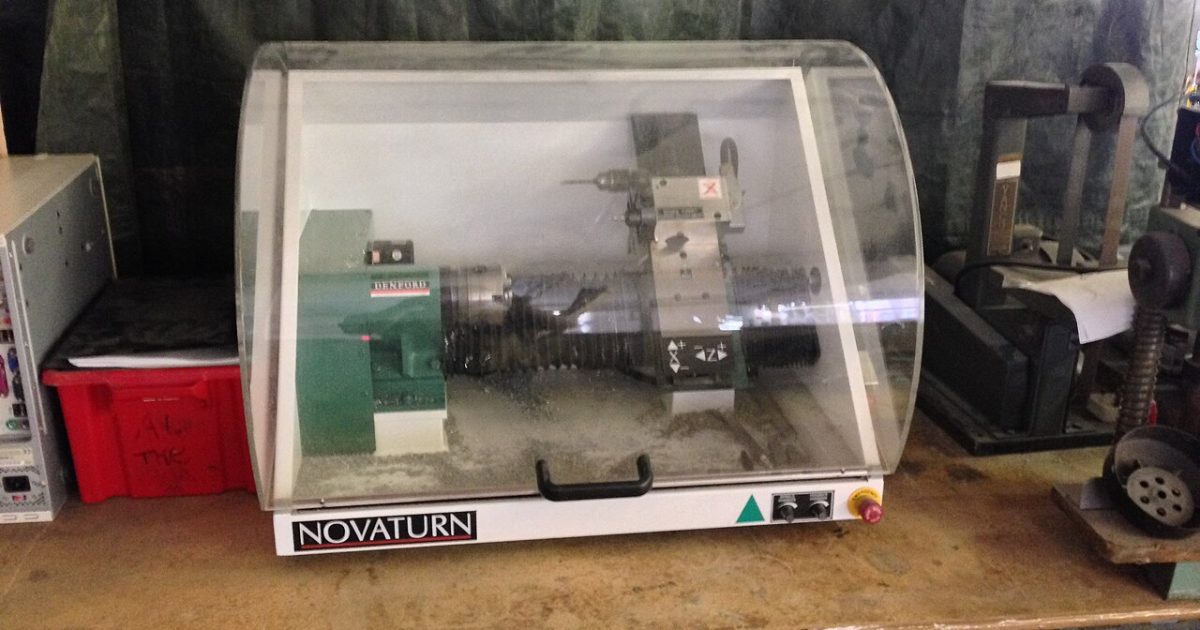
- Sponsored labs at SJCE: the 2014 website listed industry-sponsored laboratories set up with Philips, HP, Cisco, Bosch Rexroth, Nokia and Schneider.
- Dedicated cell: SJCE ran an Industry–Institute Partnership Cell (IIPC) for training, consultancy, sponsored R&D, industrial visits, guest lectures and curriculum input.
- Internships: AICTE’s internship policy expects B.Tech students to complete roughly 600–700 hours of internship-type work, with 14–20 credits from internships, projects and related activities.
- Apprenticeships: the National Apprenticeship Training Scheme (NATS), under the Apprentices Act, 1961, offers 6 to 12 months of paid on-the-job training for graduates and diploma holders. The Government of India reimburses part of the stipend to the employer.
- Local ecosystem: Mysuru’s employers include IT firms such as Infosys and Wipro, engineering and manufacturing companies such as BEML and JK Tyre, and industrial belts such as Nanjangud.
What an industry–institute partnership actually is
The 2014 SJCE website described its IIPC as “a dedicated cell to promote the close interaction of industry and various departments of the institute”. The cell facilitated consultancy, sponsored R&D projects, and industrial and academic training “not prescribed in the syllabus”, along with industrial exhibitions and interaction meets. It began by working with industries in and around Karnataka and planned to expand across India and abroad.
Its stated objectives are a useful checklist of what a healthy partnership covers:
- Industrial training and student projects in companies, industry study tours, and placements.
- Joint research with R&D organisations involving faculty, scientists, students and research scholars.
- Faculty exchange: industry professionals as visiting or adjunct faculty, and teachers deputed to industry.
- Curriculum development with industry experts, plus soft-skills workshops.
- Regular guest lectures by academics and industry leaders.
- Technical festivals, open houses and student design competitions.
- Services to industry, such as library and information access.
The archive also records that the cell was active. For 2010-11 it lists two entrepreneurship awareness programmes reaching 440 students, two industrial visits with 65 participants, a competency-development programme for 90 students, and four technical festivals or competitions with 300 participants. These are small but concrete numbers, the kind of evidence worth asking any college for today. Our industry partnership page collects the archived material.
Industry-sponsored laboratories: how they work
In a sponsored lab, a company provides equipment, software, training material or certification pathways, and the college provides space, staff and students. SJCE’s archived list of industry-sponsored laboratories shows the range such labs can cover:
| Sponsor (as listed in 2014) | Typical technology area | What students typically gain from labs of this kind |
|---|---|---|
| Philips | Electronics, lighting and healthcare technology | Hands-on electronics and embedded design exposure |
| HP | Computing hardware and systems | Systems, computing and IT infrastructure practice |
| Cisco | Networking | Router and switch configuration, often linked to structured networking curricula |
| Bosch Rexroth | Hydraulics, pneumatics, drives and automation | Industrial automation and fluid-power training on real hardware |
| Nokia | Mobile and telecommunications | Communication systems and mobile application work |
| Schneider | Electrical distribution and automation | Power, control and automation equipment practice |
The “technology area” column describes each company’s general field. It is not a record of the exact equipment in each SJCE lab, which the archive doesn’t detail. Some vendor programmes come with structured curricula. Cisco’s Networking Academy, for example, has run since 1997. Sponsored labs work best when faculty are trained to use them, the equipment is kept up to date, and lab work is built into the regular syllabus rather than kept for demonstrations.
Ask at counselling: “Which industry labs are working today, which semesters use them, and do students get any certification?” A lab installed fifteen years ago with no upgrades is a plaque on a wall, not a partnership.
Internships: what AICTE expects
AICTE’s internship policy made internships a formal part of engineering degrees. Its key points:
- Credits and hours: a B.Tech programme may count 14–20 credits from internships, entrepreneurship, project work, seminars and training. One credit equals at least 40–45 hours of work, which comes to about 600–700 hours in total.
- Activity points: separately, regular four-year students must earn 100 activity points (75 for lateral-entry students) through prescribed activities. These don’t count towards grades.
- Types allowed: internships in industry, government, NGOs, MSMEs and rural settings. Research and inter- or intra-institutional work counts too. Students may also choose innovation, IPR and entrepreneurship activities, such as building a product or registering a start-up.
- Role of the Training & Placement Officer: requests internship slots from industry, allocates students transparently, and certifies completion. Each faculty mentor supervises up to around 20 students.
- Evaluation: industry feedback, a daily diary, possible surprise monitoring visits, and a final seminar and viva on the internship report.
| After semester | Suggested duration | Typical activity |
|---|---|---|
| 2nd | 3–4 weeks | Inter- or intra-institutional activities: skill training, incubation-cell work, competitions |
| 4th | 4–6 weeks | Industry, government, NGO, MSME or rural internship, or innovation and entrepreneurship work |
| 6th | 4–6 weeks | As above. Often the most important internship for placements |
| 8th | 3–4 weeks | Project work and seminar |
Individual universities and autonomous institutions set their own exact schemes within AICTE’s framework, so follow your institution’s regulations. Longer internships are increasingly common in the final year. The 2014 SJCE placement page already noted companies offering six-month or one-year internships to final-year postgraduate students, which could convert to full-time jobs after good performance.
Apprenticeships under NATS
Internships are part of the degree. Apprenticeships come after it, or sometimes alongside it as “sandwich” training. The National Apprenticeship Training Scheme (NATS) runs under the Apprentices Act, 1961, and covers graduate, technician (diploma) and vocational categories, including “sandwich” students:
- Duration: 6 months to 1 year of on-the-job training in an establishment.
- Stipend: apprentices are paid at least the minimum stipend for their category, and the Government of India reimburses 50% of it to the employer.
- Certificate: a Certificate of Proficiency from the Government of India, which counts as work experience. A job afterwards is not guaranteed.
- Administration: regional Boards of Apprenticeship Training (North, South, East and West), and an online NATS portal where establishments and students register.
For graduates who didn’t get a campus offer, especially in core branches like mechanical, electrical and civil, a NATS apprenticeship at a manufacturing company or public-sector unit is often a good bridge to a permanent job.
Other forms of partnership that matter
- Consultancy and testing: faculty and labs test materials, calibrate instruments or solve design problems for companies. The archived SJCE site listed an electronics and calibration centre, a product development centre and consultancy services.
- Induction and corporate training: SJCE once ran induction training for new recruits of companies such as Hindustan Computers Limited and Bharat Earth Movers, along with courses for working professionals with SJCE-STEP.
- Sponsored research: companies or agencies fund specific projects, often employing students as project assistants. The 2014 notice board included a junior research fellow post on a DRDO-funded project.
- Adjunct faculty and Boards of Studies: industry experts teaching electives or shaping the syllabus, which is easier in autonomous institutions.
- Incubation: campus incubators link student founders with industry mentors and customers. See our guide to SJCE-STEP and India’s STEPs.
The Mysuru industry ecosystem
Mysuru has its own industrial base, which makes local internships and visits more realistic than in many smaller cities. Tourism and IT are major sectors, and the city has been described as Karnataka’s second-largest software exporter after Bengaluru. Large IT firms such as Infosys and Wipro have a presence. Infosys’s Mysuru campus is widely known as a major training centre. Engineering and manufacturing companies such as BEML and JK Tyre operate in the city, and the KIADB industrial areas around Mysuru, including Hebbal, along with the Nanjangud belt (home to firms such as Nestlé India and Asian Paints), add more options. Bengaluru is a short trip away by the expressway or train.
The 2014 SJCE recruiter list gives a sense of the range of firms that hired from the campus: Akamai, Alcatel-Lucent, BEL, Bosch, Cisco, Delphi, Deloitte, Ericsson, Google and HCL, among others. See our recruiters and placements pages. Hiring lists change every year, so treat them as history, not a promise.
How students can make the most of industry links
- Use every lab you have access to. Ask which industry-sponsored equipment you can use outside scheduled classes, and finish any certification on offer.
- Plan internships two semesters ahead. Applications for good summer internships often open months in advance. Keep your CV, GitHub profile or project portfolio current.
- Turn visits into contacts. After an industrial visit or guest lecture, write a short thank-you note to the speaker and ask one thoughtful question.
- Treat internships as long interviews. Keep the daily diary, document what you built, and ask for written feedback. Many pre-placement offers come from internships.
- Join the IIPC or placement cell as a student coordinator. You’ll learn how companies think about hiring, and you’ll get to know recruiters.
- Build placement skills alongside. Aptitude, coding, communication and domain knowledge still decide final offers. Our placement preparation roadmap sets this out year by year, and our placement readiness bootcamp is one structured option if you want extra support.
Red flags: fake internships and empty partnerships
Watch out for: “internship certificates” sold for a fee with no real work; unpaid “internships” that are really unpaid sales or data-entry jobs; companies with no verifiable address or website; and colleges that count logo-only MoUs as partnerships. A genuine internship has a named supervisor, defined tasks and an offer letter on company letterhead. If a company asks you to pay to intern, check carefully before agreeing.
When comparing colleges, ask for evidence: the number of students placed in internships last year, a list of active MoUs with activities under each, currently working sponsored labs, and examples of consultancy or sponsored projects. Good institutions will have this data, and many publish it in annual reports or mandatory disclosures.
Frequently asked questions
What is an Industry–Institute Partnership Cell (IIPC)?
It is a college cell that organises links with industry: internships and industrial training, joint research, consultancy, guest lectures, industrial visits and curriculum input from industry experts. SJCE’s archived website describes its own IIPC in detail.
Which companies sponsored labs at SJCE?
The 2014 SJCE website listed industry-sponsored laboratories associated with Philips, HP, Cisco, Bosch Rexroth, Nokia and Schneider. Ask JSS STU directly which labs are active today.
Are internships compulsory for engineering students?
AICTE’s internship policy builds internships and related activities into engineering degrees, roughly 600–700 hours for B.Tech. Each university or autonomous institution sets the exact rules, so check your programme regulations.
What is the difference between an internship and an apprenticeship?
An internship is usually a short placement during your degree that counts towards credits. An apprenticeship under NATS is 6 to 12 months of paid, structured training, usually after you graduate, and leads to a Government of India Certificate of Proficiency.
Do apprentices under NATS get paid?
Yes. Apprentices receive a stipend at or above the minimum set for their category, and the Government of India reimburses 50% of it to the employer. Check the current rates on the NATS portal.
How can I tell whether a college’s industry links are real?
Ask for specifics: active sponsored labs and which semesters use them, internship numbers, MoUs with documented activities, consultancy projects and recent recruiters. Vague claims and logo walls are not evidence.
Sources & further reading
- AICTE Internship Policy (PDF)
- National Apprenticeship Training Scheme (NATS): About the scheme
- Cisco Networking Academy
- Mysore – Wikipedia (economy and industry)
- Hebbal, Mysore – Wikipedia (KIADB industrial area)
- NSTEDB: Science & Technology Entrepreneurs Park programme
- JSS Science and Technology University (official website)