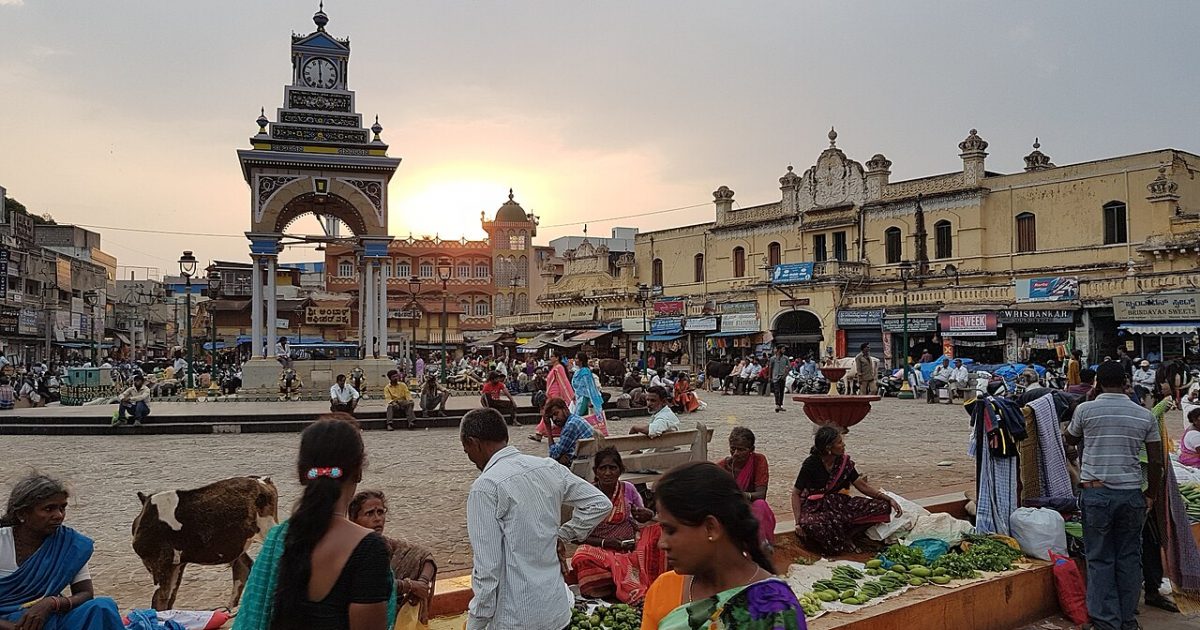
Student life in Mysuru is calmer, greener and usually cheaper than life in Bengaluru, but it takes some planning: where to live, how to get around, what to budget for and how to make the most of a city built around palaces, festivals and a strong education culture. This guide is for engineering students and parents arriving in Mysuru, including those heading to the campus that was once SJCE and is now JSS Science and Technology University.
- City size: about 9.2 lakh people within city limits at the 2011 Census, and just over 10 lakh in the wider urban area.
- Getting there: the 118 km Bengaluru–Mysuru access-controlled expressway opened in March 2023. Mysuru Junction has frequent trains to Bengaluru, including a Vande Bharat service since November 2022.
- Getting around: KSRTC city buses, autorickshaws and the Trin Trin public bicycle-sharing system, launched in 2017.
- Big event: Mysuru Dasara. In 2026 it ran from 11 to 21 October and ended with the Jumboo Savari procession from the Palace to Bannimantap.
- Climate: mild most of the year. Summer runs March–May and the monsoon June–October, with October typically the wettest month.
Why Mysuru works well for students
Mysuru has been an education city for over a century. The University of Mysore, founded in 1916, was the first university in Karnataka. Mysore Medical College, from 1924, was the state’s first medical college. Engineering, medicine, law, management and the arts are all taught here, so the student population is large and varied. Bookshops, photocopy centres, stationery stores and cheap eateries cluster around most campuses.
The city also has a reputation for cleanliness and a slower pace. Mysuru has ranked well in national cleanliness surveys. Traffic, while growing, is nothing like Bengaluru’s. Most students say the main appeal is that the city is liveable: you can cross it in reasonable time, the weather is pleasant most of the year, and day trips to the hills, forests and dams are easy.
Students also benefit from the local economy. Tourism and IT are major sectors. Large companies such as Infosys and Wipro have a presence in the city, as do engineering and manufacturing firms like BEML and JK Tyre, and industrial areas such as Nanjangud are nearby. That helps with internships and industrial visits. Our article on industry–institute partnerships explains how to use those links. For a broader introduction to the city, see About Mysuru.
Getting to Mysuru
Most students arrive from Bengaluru or travel through it. The main options:
| Mode | What to know | Best for |
|---|---|---|
| Road (Bengaluru–Mysuru expressway) | A 118 km access-controlled corridor inaugurated in March 2023. It cut typical car journeys substantially compared with the old highway. Tolls apply. | Families driving with luggage at the start of term |
| KSRTC intercity buses | Frequent services from Bengaluru’s main bus stations to the Mysuru suburban bus stand, from ordinary to premium coaches. | Flexible, frequent travel home on weekends |
| Train | Mysuru Junction is the headquarters of a South Western Railway division and is on an electrified double line to Bengaluru. Express, Shatabdi and Vande Bharat services run on this route. | Comfortable, predictable trips; book ahead at festival time |
| Air | Mysuru Airport (Mandakalli), about 10 km south of the city, has a limited set of domestic flights. Most long-distance and international travellers fly into Bengaluru’s Kempegowda International Airport. | Students from far-off states, combined with a Bengaluru connection |
Timetables and fares change often, so check the railway and KSRTC booking sites close to your travel date rather than relying on a printed list. Around Dasara and long weekends, book early.
Where to live: hostels, PGs and shared flats
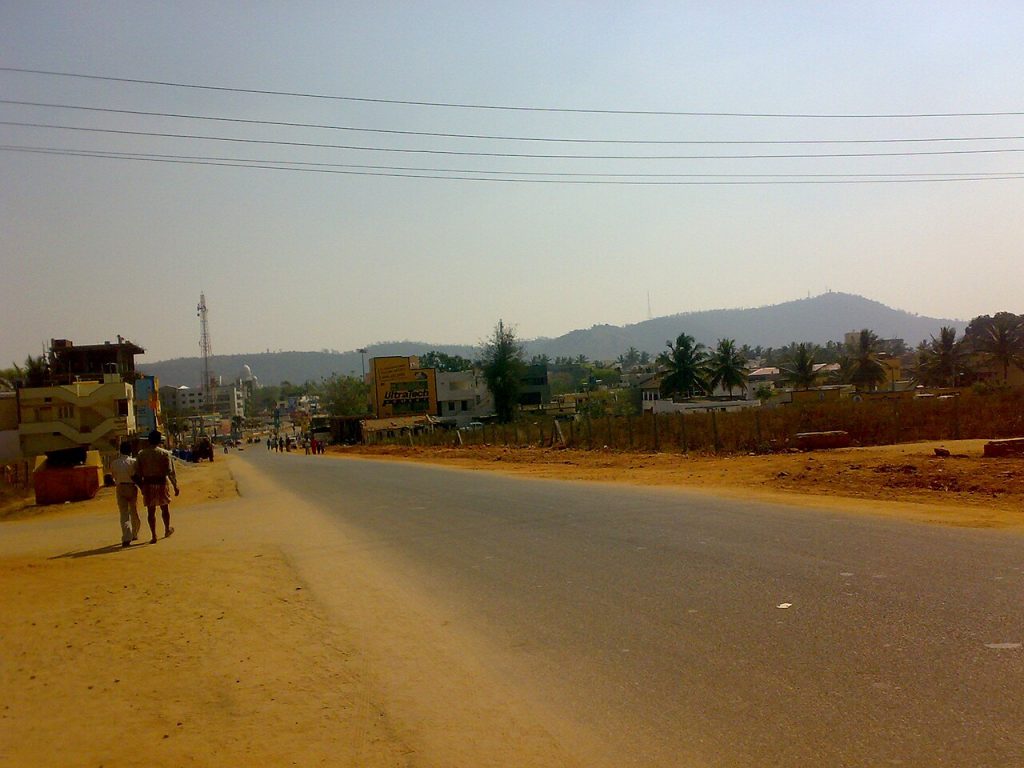
Housing will be your biggest decision in the first year. The 2014 SJCE website listed hostels for boys and girls among its amenities, and its notice board shows the same process as today: provisional seat-allotment lists, separate lists for postgraduate students, and even a 2013 notice about moving students from an off-campus hostel at Hootagally to the main campus hostel. Hostel rules, fees and capacity are set each year by the institution, so check the current notification on the official JSS STU website.
| Option | Pros | Cons | Good for |
|---|---|---|---|
| College hostel | Closest to class, supervised, mess included, easiest for first-years | Limited seats, fixed timings and rules, shared rooms | First-year students and those new to Karnataka |
| Paying guest (PG) | Many near campuses, food often included, less paperwork | Quality varies a lot. Check safety, hygiene and the written terms | Students who missed a hostel seat or want more flexibility |
| Shared flat | More space and independence, cook your own food | Deposit, rental agreement, utility bills, finding reliable flatmates | Senior students and postgraduates |
| Living with relatives / day scholar | Lowest cost, home food | Commute time, less involvement in campus life | Students from Mysuru or nearby towns |
Before paying any deposit: visit in person, ideally with a senior student. Check the room, water supply, power backup and fire exits. Get a written receipt and agreement, and never transfer money to a “broker” you have only met online. If someone claims to offer a “guaranteed” college hostel seat for a fee, treat it as a scam. Hostel seats are allotted only by the institution.
Building a realistic monthly budget
We don’t publish rupee figures for rent or food. They vary a lot by area, room type and year, and any number would soon be out of date. Instead, budget by category and collect three local quotes for each. Seniors in your department are the best source for current prices.
| Budget head | What to include | Ways to keep it down |
|---|---|---|
| Accommodation | Hostel or PG fee, or rent plus deposit, maintenance and utilities | Share rooms, stay within cycling distance of campus |
| Food | Mess or PG meals, plus snacks, eating out and coffee | Stick with the mess on weekdays and keep eating out for weekends |
| Academic | Books, lab coats, drawing instruments, printing, project parts | Use the library and digital library, buy second-hand from seniors |
| Transport | Bus fares, autos, Trin Trin, trips home | City buses and cycles for daily travel, book trains early |
| Phone and internet | Mobile plan, a data top-up if hostel Wi-Fi is weak | Pick one good plan instead of several small top-ups |
| Health and insurance | Medicines, doctor visits, any insurance premium | Know the campus medical facility and your family policy’s network hospitals |
| Personal and leisure | Clothing, laundry, outings, Dasara events, fests | Set a fixed monthly amount and track it in an app |
Students often underestimate one-off costs at the start of the year, such as bedding, a bucket, an extension cord, lab coats and a deposit. Bring a little extra for the first month.
Food: from mess thalis to Mysore pak
Mysuru suits food lovers on a budget. The day usually starts with a South Indian breakfast of idli, vada and dosa, with a strong filter coffee. Small darshinis and family restaurants serve fast, affordable meals all day, and many students eat there for lunch on campus days.
- Mysore pak: the city’s best-known sweet, a rich gram-flour and ghee confection that traces its history to the Mysore Palace kitchens. Take a box home after every visit and you’ll be popular.
- Mess food: hostel and PG messes usually serve rice-based South Indian meals. If you’re from North India or the North-East, expect an adjustment period. Many messes add chapatis on request, and the city has growing numbers of North Indian and other regional restaurants.
- Special diets: vegetarian food is easy to find everywhere. If you have allergies or need Jain, vegan or high-protein food, tell your mess or PG in advance.
Getting around the city
Mysuru is easy to get around without your own vehicle:
- City buses: KSRTC runs Mysuru’s city bus network. The city was the first in India to put in an Intelligent Transport System for its buses. City routes run from bus stands including Kuvempunagar, Sathgalli and Chamundi Hills, and the suburban bus stand connects to nearby towns.
- Trin Trin bicycles: launched in 2017 by Karnataka’s Directorate of Urban Land Transport and Mysore City Corporation, and widely described as India’s first public bicycle-sharing system. A 2025 report counted about 500 bicycles at 48 docking hubs, many near colleges and tourist spots, with an expansion planned. Riders have reported app glitches and a lack of dedicated cycle tracks.
- Autorickshaws and app cabs: handy at night or with luggage. Agree on the fare or insist on the meter.
- Two-wheelers: popular with senior students. You need a valid driving licence, insurance, registration papers and a helmet. Many hostels have rules about vehicles, so check first.
Culture, weekends and Dasara
Mysuru’s cultural calendar is a large part of student life here. The high point is Mysuru Dasara, a festival whose royal traditions go back to 1610 under Raja Wodeyar I. The 2026 edition ran from 11 to 21 October. The illuminated Palace, cultural programmes, food fairs and the closing Jumboo Savari, the procession from the Palace to Bannimantap, fill the city with visitors. Plan travel and accommodation for visiting family well ahead.
Weekend ideas that fit a student budget:
- Mysuru Palace (Amba Vilas): one of India’s most visited monuments, with an Indo-Saracenic exterior. The current palace was built after the original burned down in 1897.
- Chamundi Hills: the Chamundeshwari temple sits on top, and many students climb the steps in the cool early morning.
- KRS Dam and Brindavan Gardens: in neighbouring Mandya district, known for the evening musical fountain.
- Heritage walks: the old city around the Palace, Devaraja market and colonial-era buildings shows how Mysuru grew as a princely capital. If you’d like a guided introduction, our Mysuru heritage and campus-area walking tour covers public areas. Many students simply explore with friends and a good map.
- Campus life: technical and cultural fests, clubs, professional society chapters and sports. The archived SJCE pages list courts and grounds for cricket, football, basketball, volleyball, tennis, kabaddi and more. See our sports and professional bodies pages.
Language: Kannada is the main language of the city. You’ll manage in English on campus and in most shops, but learning basic Kannada phrases for greetings, numbers and directions makes daily life easier and is appreciated by locals.
Health, safety and wellbeing
- Medical care: the 2014 SJCE website listed on-campus medical services, a pharmacy and a tie-up with JSS Hospital. Find out the current arrangement in your first week, and keep your health-insurance details and any prescriptions on your phone.
- Anti-ragging: ragging is banned in Indian higher education. The archived site records an institute-level anti-ragging committee and squads. The national anti-ragging helpline is 1800-180-5522 ([email protected]).
- Weather: the monsoon months bring heavy showers, and October is usually the wettest month. Carry an umbrella and protect your laptop. Summer afternoons in April and May can get hot.
- Mental health: homesickness and exam stress are common in the first year. Use college counsellors and mentors, stay in touch with family, and keep a routine that includes sleep and exercise.
Your first-month checklist
- Confirm admission documents, fee receipts and hostel allotment on the official JSS STU website. For how seats are allotted, read our KCET and COMEDK admissions guide.
- Open or link a bank account with UPI, and keep a small amount of cash for autos and small shops.
- Get your college ID card, library card and any bus pass you’re eligible for.
- Learn three bus routes: campus to the city centre, the railway station and the suburban bus stand.
- Save emergency numbers: hostel warden, college medical centre, the anti-ragging helpline, and 112 for emergencies.
- Join one technical club and one non-technical activity in your first semester.
- Set your monthly budget by category and review it at the end of the month.
Frequently asked questions
Is Mysuru cheaper than Bengaluru for students?
In general, yes. Rent and everyday costs in Mysuru tend to be lower than in Bengaluru, and shorter distances mean less spent on transport. Prices vary by area and year, so ask seniors for current figures before you budget.
Should a first-year student choose the hostel or a PG?
If you can get a seat, the college hostel is usually the easier first-year choice: it is close to class, supervised, and you’re among classmates. PGs suit students who miss a hostel seat or want more flexibility, but inspect them in person and get written terms.
How do students get around Mysuru without a vehicle?
KSRTC city buses cover most of the city, the Trin Trin bicycle-sharing system has docks near many colleges and tourist spots, and autos and app cabs fill the gaps. Many students manage the whole course without a two-wheeler.
Do I need to speak Kannada to study in Mysuru?
No. Teaching and most campus life are in English, and you can manage in shops with English or Hindi. Learning basic Kannada still makes daily life smoother and helps you connect with the city.
When is Mysuru Dasara, and does it affect classes?
Dasara falls in September or October depending on the Hindu calendar. In 2026 it ran from 11 to 21 October. Colleges set their own holiday calendars, and the city gets very crowded, so plan family visits and travel early.
What is the best way to travel between Mysuru and Bengaluru?
Trains (including Shatabdi and Vande Bharat services) give predictable journey times. KSRTC buses are frequent and flexible, and the 2023 expressway has made road travel faster. Check current timetables before you travel.
Sources & further reading
- Mysore – Wikipedia (population, climate, history, economy)
- Transport in Mysore – Wikipedia
- Down To Earth (2025): Mysuru’s public bicycle sharing system
- Report on the inauguration of the Bengaluru–Mysuru expressway (March 2023)
- Mysuru Dasara official website
- UGC National Anti-Ragging portal
- JSS Science and Technology University (official website)