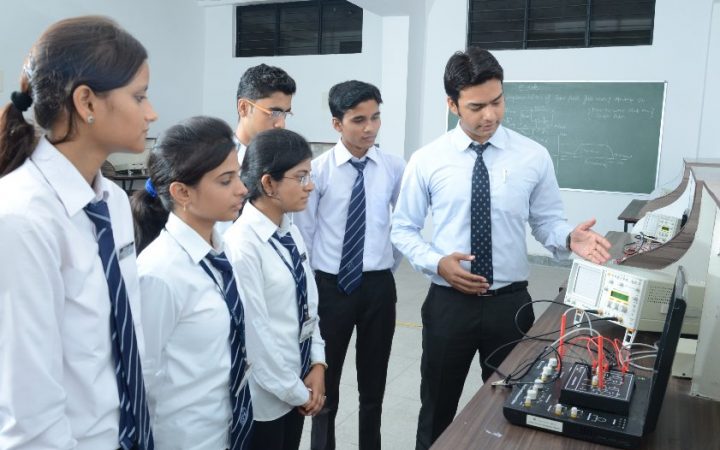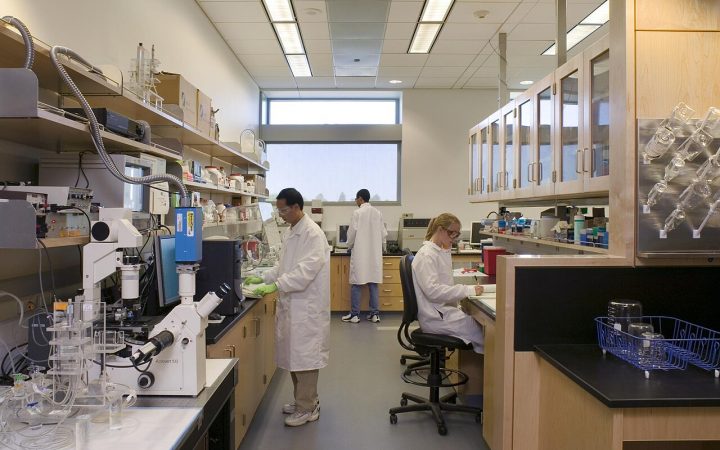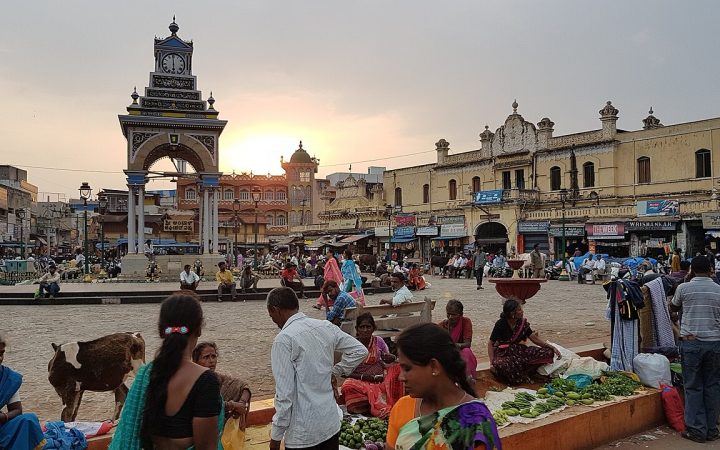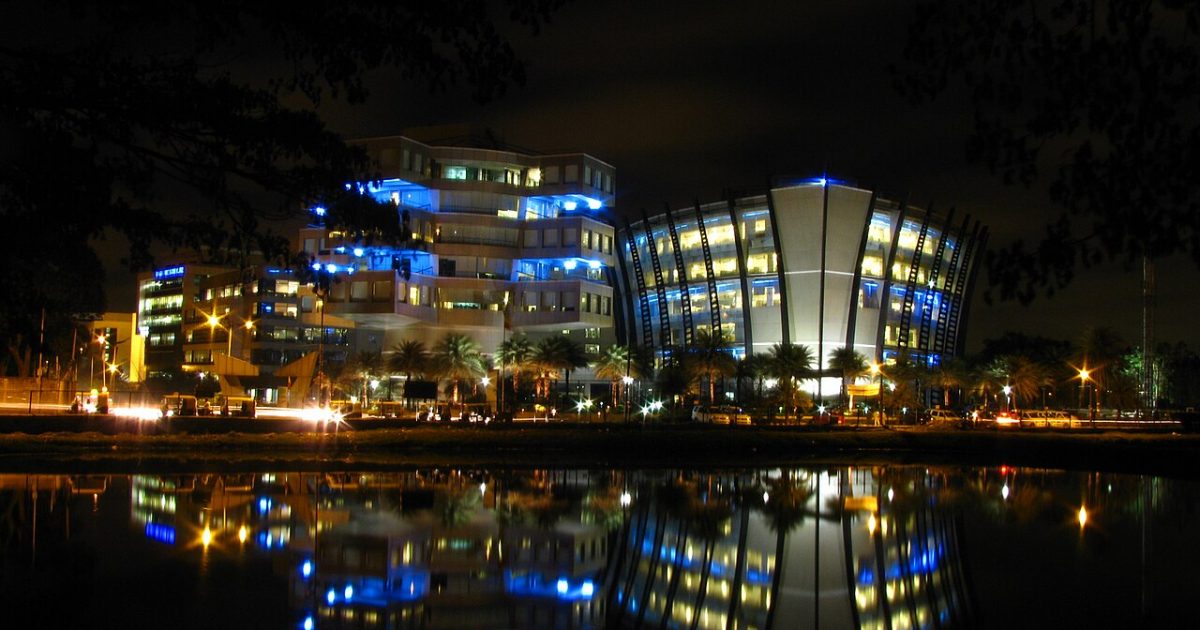
SJCE-STEP, the Science and Technology Entrepreneurs Park on the old SJCE campus in Mysuru, is one of the earliest examples of a technology incubator attached to an Indian engineering college. This guide covers where India’s STEP model came from, what the archived SJCE pages said about the Mysuru park, how STEPs led to today’s technology business incubators and NIDHI schemes, and how a student founder can actually use an incubator like this.
- What a STEP is: a Science and Technology Entrepreneurs Park, set up around a host academic institution under a programme of the National Science and Technology Entrepreneurship Development Board (NSTEDB), Department of Science & Technology (DST), Government of India.
- National programme: NSTEDB was set up in 1982, and research on India’s incubators dates the STEP programme to 1984.
- SJCE-STEP’s origins: the 2014 college website said it was established in 1988 with support from DST (Government of India), IDBI and two Government of Karnataka departments. Its 40th-anniversary events in 2025 suggest an earlier start, so treat the exact year with care.
- Today: SJCE-STEP describes itself as the incubator and accelerator of JSS Science and Technology University (JSS STU) and runs incubation cohorts. Its website lists a NIDHI-PRAYAS page.
- Recent milestone: news reports from 2025 say JSS STU was recognised as a Technology Business Incubator (TBI) 2.0 under Karnataka’s Startup Policy 2022–2027, with ₹10 crore of support over five years.
Independent resource: SJCE Mysore is an independent information site. It is not SJCE-STEP, JSS STU or JSS Mahavidyapeetha. For current programmes, deadlines and eligibility, go straight to the official SJCE-STEP website listed under Sources.
What is a Science & Technology Entrepreneurs Park?
In the early 1980s India had a large and growing pool of engineering and science graduates, but very few of them started technology businesses. Most aimed for government jobs or large public-sector companies. To change this, the Department of Science & Technology set up the National Science and Technology Entrepreneurship Development Board (NSTEDB) in 1982. The Science and Technology Entrepreneurs Park (STEP) programme, one of its first institutional programmes, followed in 1984.
NSTEDB’s description of the programme gives four aims:
- linking universities, academic and R&D institutions with industry;
- encouraging science and technology graduates to create jobs rather than look for them;
- using research institutions to give R&D support to small-scale industry;
- promoting enterprises built on innovation.
The design had two notable features. First, every STEP had to be “promoted around a host institution which could launch, sustain and help the STEP grow”. The park was meant to draw on a college’s laboratories, faculty and students. Second, each STEP was registered as an autonomous society, separate from the host college. That gave it room to work with banks, government agencies and industry in ways a teaching institution could not.
Early STEPs were deliberately hardware-intensive. NSTEDB lists nursery sheds (small factory units for start-ups), testing and calibration, a precision tool room or central workshop, prototype development, computing, a data bank, a library and a seminar hall. Fledgling manufacturers could rent space and share expensive equipment. That fitted an era when most technology ventures made physical products.
The results were mixed. NSTEDB says the department “catalysed 15 STEPs in different parts of the country”, which together promoted hundreds of units. Academic work on Indian incubation is more critical: one study notes that of the STEPs set up between 1984 and 1995, only a minority showed results or financial sustainability by 2001. That gap is part of why the next generation of incubators was designed differently.
SJCE-STEP’s origins on the Mysuru campus
The archived 2014 SJCE website is one of the best records of how the park described itself. That page says SJCE-STEP was established in 1988 on the SJCE campus with support from:
- the Department of Science & Technology, Government of India;
- the Industrial Development Bank of India (IDBI);
- the Department of Science & Technology, Government of Karnataka;
- the Department of Industries & Commerce, Government of Karnataka.
The same page calls it one of the first three STEPs accredited as the best among the 14 established nationally. It also recorded several international links. UNESCO chose SJCE-STEP as a nodal centre for a seminar on entrepreneurial engineering design and product development facilities in technical institutions, attended by 11 South-East Asian countries. The park’s director advised Universiti Teknologi Malaysia on a similar initiative. And SJCE-STEP was described as the base of the Indian STEP Association, which networked STEPs in India with science parks abroad.
The archive also shows that SJCE-STEP did much more than house start-ups. Working with the college, it ran continuing education courses for working professionals in maintenance management, quality management, press working and construction management. Through the STEP and the community polytechnic, it also ran community programmes under a mass employment scheme, such as training in hand-pump maintenance and fuel-efficient ASTRA chulas for rural areas. The JSS technical education page from the same archive described SJCE-STEP as rendering “services in the areas of Entrepreneurship, Skill Development, Consultancy and Continuing Education Programmes”.
A note on the founding year: the 2014 college page and a JSS Mahavidyapeetha page both give 1988. Coverage of SJCE-STEP’s 40th-anniversary celebrations in 2025, however, places its origins around 1985. Both dates appear in public sources, so this site gives both and sends readers to SJCE-STEP for the authoritative history.
For the wider story of the campus, see our history page and the long-form history of SJCE from 1963 to JSS STU. The SJCE-STEP page on this site collects the archived material.
From STEPs to TBIs and NIDHI: how Indian incubation evolved
To understand an incubator like SJCE-STEP today, you need to know how the policy around it changed. In short: support moved from sheds and shared machines towards mentoring, seed money and links to investors.
| Period | Programme | Main idea |
|---|---|---|
| 1982 | NSTEDB set up under DST | A national body to promote knowledge-driven, technology-intensive enterprises |
| 1984 onwards | Science & Technology Entrepreneurs Parks (STEPs) | Hardware-heavy parks around host institutions: nursery sheds, testing, tool rooms, training |
| 2001 onwards | Technology Business Incubators (TBIs) | Leaner incubators focused on early-stage tech start-ups, built on lessons from STEPs |
| 2016 onwards | NIDHI (National Initiative for Developing and Harnessing Innovations) | Support across the whole journey from idea to prototype, seed funding and acceleration |
| 2022–2027 | Karnataka Startup Policy (state level) | State support for incubators beyond Bengaluru. JSS STU’s TBI 2.0 recognition falls under it |
NIDHI matters most to a student founder, because its parts line up with the stages of building a company:
- NIDHI-PRAYAS: support to turn an idea into a working prototype, with mentoring and money at proof-of-concept stage.
- NIDHI Entrepreneurs-in-Residence (EIR): fellowships for graduates who want to try entrepreneurship instead of taking a job straight away.
- NIDHI Seed Support: early-stage seed funding routed through incubators.
- NIDHI Accelerator: short, intensive programmes to get start-ups ready for investment.
- TBIs and Centres of Excellence: the incubation infrastructure itself.
SJCE-STEP’s website has a NIDHI-PRAYAS page, and DST’s directories have listed it as a PRAYAS centre and a technology business incubator. Scheme rounds and host lists change, so before you plan around any of these schemes, confirm which one is open at SJCE-STEP right now.
What SJCE-STEP says it offers today
SJCE-STEP’s website now presents it as the incubator and accelerator of JSS Science and Technology University. The site describes:
- Incubation cohorts with an application window and a fixed start date. The admission criteria it lists are a technology or scientific innovation at the core, at least two co-founders, and a validated problem statement.
- A staged pathway: online application and screening, panel evaluation, incubation and building a minimum viable product (MVP), then scaling.
- Shared infrastructure: workspace, meeting rooms, prototyping labs and computing resources.
- Funding links: seed support and introductions to government seed schemes, angel networks and venture funds.
- Mentoring and events: demo days, accelerator cohorts and a skills (upskilling) portal.
Reports from 2025 add that JSS STU was recognised as a Technology Business Incubator 2.0 under Karnataka’s Startup Policy 2022–2027, with ₹10 crore over five years. The same reports mention a planned JSS Innovation & Research Park for R&D, testing and prototyping in areas such as AI and semiconductors. Treat timelines in news reports as plans until they are confirmed officially.
Some headline numbers on the SJCE-STEP website (start-ups supported, capital deployed, mentors) are not consistent from one section of the site to another. We have left them out. If those numbers matter to your decision, ask the incubator for current, documented figures.
Incubators, E-Cells, accelerators: which is which?
Students often use “incubator” for any start-up programme. The differences affect what you can expect:
| Type | Typical stage | What you usually get | What it usually expects |
|---|---|---|---|
| College E-Cell / innovation council | Idea, student team | Workshops, hackathons, peer network, small competitions | Enthusiasm; no company needed |
| Pre-incubation / prototyping grant (e.g. PRAYAS-type) | Idea to prototype | Lab access, mentor, limited grant tied to milestones | A clear technical problem and a build plan |
| Incubator (STEP / TBI) | Prototype to early customers | Space, mentoring, compliance help, seed-fund access, investor introductions | Usually a registered entity, committed founders, sometimes equity or fees |
| Accelerator | Early revenue | Short intensive programme, demo day, investor network | Traction and readiness to raise money |
How a student founder can realistically use an incubator
Most engineering students are not ready to join an incubation cohort in their second year, and that is fine. A sensible path looks like this:
- Find a real problem first. Talk to at least a dozen potential users, such as farmers, small manufacturers, clinic staff or shop owners, before you write code or order parts. Incubators ask for a “validated problem statement” for a reason.
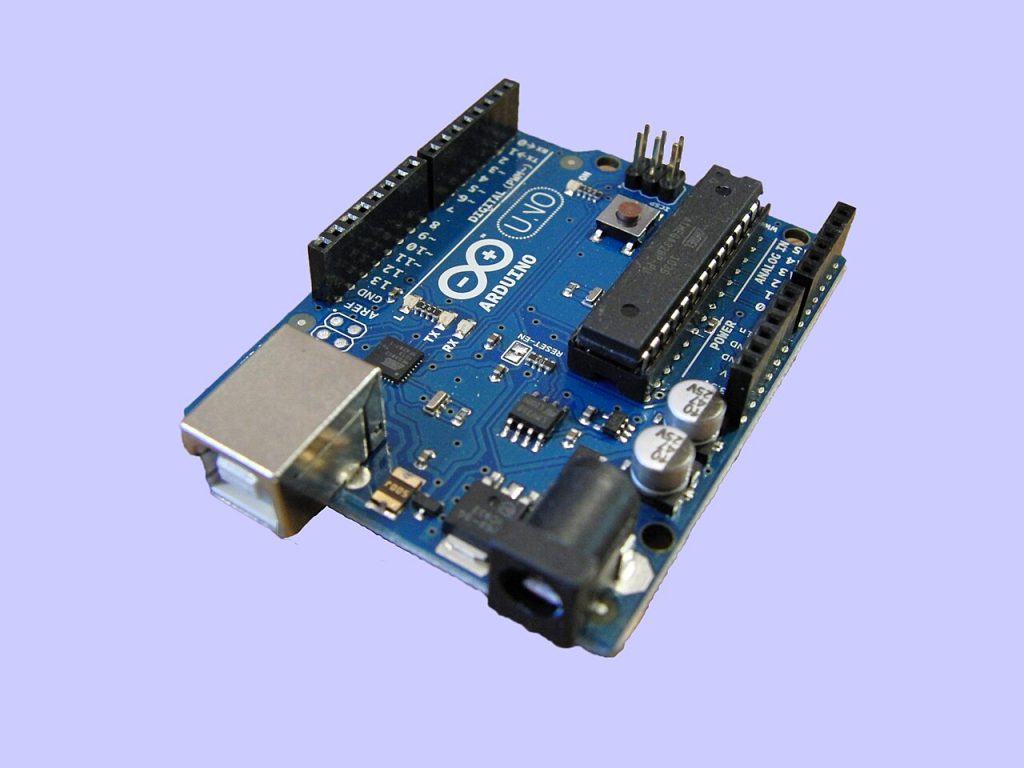
- Build a rough prototype in college. Use department labs, final-year project time and low-cost hardware. An Arduino or ESP32 prototype that solves one problem is worth more than a slide deck. If you need a structured start, our IoT engineering project kit is one option. Your college lab and free online material work just as well.
- Use the AICTE internship rules to your advantage. AICTE’s internship policy lets students count innovation, IPR and entrepreneurship work, such as building a product or registering a start-up, towards their internship requirement. Check how your institution applies this before you plan around it.
- Form a balanced team. Many incubators want at least two co-founders. Combine technical depth with someone who can sell and handle money.
- Apply for prototyping support before seed money. Grants such as PRAYAS fit an idea that still needs to be proved. Seed funds expect a working product and early users.
- Read the incubation agreement carefully. Check fees, any equity the incubator takes, IP ownership (especially where university labs or faculty were involved), and exit terms.
- Keep your degree on track. Arrears and attendance shortfalls cause far more trouble than a failed start-up. Most successful student founders treat the venture as a side project until it clearly works.
What incubation panels typically look for
Each incubator has its own criteria, but panels at STEPs and TBIs tend to ask similar questions:
- Technology core: is there real engineering or science that is hard to copy, or is it a trading or service business that does not need an incubator?
- Problem evidence: customer interviews, pilot users, letters of intent or early sales.
- Team commitment: who works on it full time, and who is still a student with exams in May?
- Feasibility of the next milestone: can the team reach a working prototype or first customer in six to twelve months with the help offered?
- IP and compliance: is ownership clear, is the company registered, and are there regulatory hurdles (medical devices, drones, food)?
Why SJCE-STEP still matters
SJCE-STEP’s story is useful for more than nostalgia. It shows three lasting ideas in Indian technical education. A college campus can host a business ecosystem, not only classrooms. Continuing education and community training can sit alongside start-up support. And a tier-2 city like Mysuru can build its own innovation base instead of sending every founder to Bengaluru.
For students and parents choosing a college, the lesson is practical. An active incubator on or near campus increases the chances of entrepreneurship mentoring, real-world projects and contacts with industry, so ask about it at counselling. Our articles on industry–institute partnerships and the research page cover the related routes from classroom to industry.
Frequently asked questions
What does SJCE-STEP stand for?
It stands for Sri Jayachamarajendra College of Engineering – Science & Technology Entrepreneurs Park. It sits on the campus that is now JSS Science and Technology University in Mysuru.
When was SJCE-STEP established?
The archived 2014 SJCE website and a JSS Mahavidyapeetha page both say 1988. Its 40th-anniversary celebrations in 2025 point to origins around 1985. For the official date, check SJCE-STEP directly.
Who funded the original STEP?
According to the archived college page, it was set up with support from the Department of Science & Technology (Government of India), the Industrial Development Bank of India, and the Government of Karnataka’s Department of Science & Technology and Department of Industries & Commerce.
Is a STEP the same as a Technology Business Incubator?
Not exactly. STEPs, from 1984 onwards, were hardware-heavy parks with sheds, testing and tool rooms around a host institution. TBIs, from 2001 onwards, are leaner incubators focused on mentoring and early-stage start-ups. Many older STEPs, including SJCE-STEP, now work as modern incubators.
Can first- or second-year students apply for incubation?
Incubation cohorts usually want a validated problem, a prototype or a clear plan, and committed co-founders. Younger students usually do better starting with E-Cell activities, hackathons and prototyping grants, then applying once they have evidence.
Does joining an incubator mean giving up equity?
Sometimes. Incubators differ: some charge fees, some take a small equity stake, especially when they invest seed money, and some do neither. Read the incubation agreement and ask about IP ownership before you sign.
Is this website run by SJCE-STEP or JSS STU?
No. SJCE Mysore is an independent resource and is not affiliated with SJCE-STEP, JSS STU or JSS Mahavidyapeetha. Use the official SJCE-STEP and JSS STU websites for applications and current information.
Sources & further reading
- SJCE-STEP official website: current incubation programmes and contacts
- NSTEDB: Science & Technology Entrepreneurs Park programme
- India Science & Technology portal: STEP scheme overview
- Strengthening STI-based incubators in India (arXiv paper with STEP/TBI timeline)
- Overview of DST’s NIDHI programme and its components
- Report: JSS STU receives TBI 2.0 recognition (2025)
- JSS Mahavidyapeetha: SJCE-STEP, Mysore
- AICTE Internship Policy (PDF)